

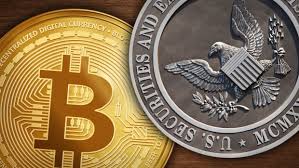
Will the SEC Back Off? How Trump’s SEC Could Change the Game for Ripple
The SEC’s Latest Crypto Move: What It Means for XRP (Ripple) Investors
The ongoing battle between Ripple and the U.S. Securities and Exchange Commission (SEC) has had a huge impact on the cryptocurrency market, especially for XRP investors. Back in 2020, the SEC filed a lawsuit against Ripple, claiming the company violated securities laws by selling XRP. The case has been partially resolved, but it’s not over yet.
Now, with a new leadership structure at the SEC and a shifting regulatory landscape, there could be a big opportunity for XRP investors. In this article, we explore what the SEC’s latest move means for Ripple and why it could be good news for XRP.
Why Has Ripple Faced So Much Scrutiny From the SEC?
Ripple created Ripple Payments (formerly RippleNet), a network designed to help banks settle international money transfers quickly and efficiently. Unlike traditional systems, such as SWIFT, Ripple Payments enables direct transactions between banks, even if they use different networks, bypassing the long delays and high costs associated with international wire transfers.
To make this work, Ripple uses its native cryptocurrency, XRP. XRP is designed to act as a bridge between currencies, allowing banks to avoid the fees and time-consuming processes that come with converting traditional currencies. For example, a Spanish bank could send XRP tokens to a U.S. bank instead of euros, saving on conversion costs.
However, the SEC has argued that XRP is not a currency but a security (like a stock or bond). The SEC’s concern is that since Ripple controls a large portion of the XRP supply, it could be viewed as an investment contract, requiring Ripple to register XRP as a security and comply with a strict set of regulations.
Bitcoin, on the other hand, has faced less scrutiny from the SEC because it is fully decentralized. It has a fixed total supply, and no individual or organization controls its issuance or distribution, which is why it doesn’t meet the definition of a security.
The Latest Developments in the SEC-Ripple Case
The Ripple-SEC case has been moving through the courts since 2020, but there has been a significant development recently. In August 2024, a judge ruled that XRP might be considered a security only in certain situations, such as when sold to institutional investors. However, the SEC appealed the decision, and the case is still ongoing, leaving investors in limbo.
But now, there’s a major shift taking place in the regulatory environment that could benefit Ripple and XRP.
A Changing Regulatory Landscape Under Donald Trump
When Donald Trump became president, he expressed strong support for the cryptocurrency industry. Trump has advocated for deregulation and even proposed ideas such as creating a U.S. Bitcoin reserve. He has also been a vocal critic of over-regulation in financial markets, which could include the SEC’s scrutiny of cryptocurrencies like XRP.
Shortly after the election, Trump announced his intention to appoint Paul Atkins as SEC chairman. Atkins is a well-known crypto advocate and the CEO of Patomak Global Partners, a consulting firm specializing in financial services regulations. His appointment would bring a more crypto-friendly approach to the SEC. Although Atkins has not yet been confirmed by the Senate, Trump has appointed Mark Uyeda as acting chairman, who is believed to be more aligned with Trump’s views on deregulation.
Under Uyeda’s leadership, the SEC formed a crypto task force to review ongoing cases, including the Ripple lawsuit. This task force could play a key role in how the SEC approaches Ripple’s case moving forward.
What Does This Mean for Ripple and XRP Investors?
The changing regulatory environment could be a game-changer for Ripple. If the SEC backs off or settles the case, Ripple would gain more freedom to operate without the looming threat of hefty fines or additional regulations. This could open the door for more XRP issuance, potentially boosting the token’s value and driving wider adoption.
For XRP investors, this could translate into greater confidence in the cryptocurrency’s future. As more institutions and companies adopt Ripple’s technology, demand for XRP could rise. This is the kind of scenario that investors have been waiting for since the case first began.
But There’s a Big Caveat to Keep in Mind
While the regulatory landscape is shifting in Ripple’s favor, there’s a key factor that could limit the long-term impact on XRP’s price: banks don’t actually need to use XRP to benefit from Ripple Payments. Ripple’s network allows banks to settle transactions quickly, but they can use any currency, including traditional fiat currencies, instead of XRP.
This means that Ripple’s success isn’t directly tied to the price or adoption of XRP. While XRP does play a role in the Ripple ecosystem, it’s not the sole reason banks choose to use Ripple Payments. As a result, XRP’s value might be driven more by market speculation than by actual demand for the token.
Historically, XRP’s price has been volatile. After reaching an all-time high of $3.40 in 2018, it lost more than 90% of its value during the following months. There’s no guarantee that the price won’t experience similar fluctuations in the future, especially if speculative interest wanes.
What’s Next for XRP?
The future of XRP depends on several factors, including how the SEC lawsuit is ultimately resolved, whether Ripple continues to grow its network, and if XRP gains broader adoption in the financial industry. A favorable ruling in the Ripple case could lead to increased confidence in XRP, but investors should be cautious about the inherent volatility of the cryptocurrency market.
Moreover, even with a more crypto-friendly SEC, Ripple could face stiff competition from other blockchain-based payment networks. If Ripple doesn’t continue to innovate or grow its user base, XRP’s value could struggle to maintain upward momentum.
Should You Invest in XRP?
Given the uncertainty around Ripple’s legal situation and XRP’s speculative nature, potential investors should approach with caution. While a favorable SEC ruling could boost XRP’s value, there’s no guarantee that it will be a sustainable investment.
If you’re considering investing in XRP, be prepared for volatility and understand that the value of the coin could be driven more by market sentiment than by underlying demand. A diversified portfolio that includes a mix of traditional and digital assets might be a safer approach, especially for long-term investors.
The SEC’s case against Ripple has been a long and complicated battle, but with new leadership at the SEC and growing support for the crypto industry, there’s hope for a favorable outcome for Ripple and XRP investors. If the case is resolved in Ripple’s favor, XRP could experience significant growth. However, it’s important to remember that the value of XRP is highly speculative and dependent on factors beyond Ripple’s control.
Investors should carefully monitor the situation and be prepared for the possibility of continued volatility in the crypto market.
Disclaimer: The above press release has been provided by a third party. We do not verify or endorse the content and will not be responsible for any inaccuracies, claims, or damages arising from the same.